Indian Mythology for Children: Stories, Values and Books to Start With
2 October 2022
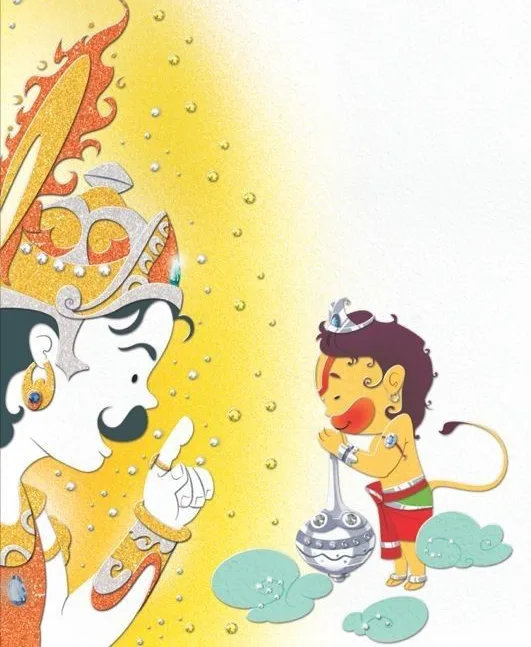
Stories are one of the oldest ways families pass on what matters. Indian mythology in particular opens a whole world to children: brave heroes, wise elephants, mischievous butter thieves, monkeys who leap across oceans, and lessons about kindness, courage and doing the right thing. For children growing up outside India, these stories are also a warm link to grandparents, festivals and a culture they may only visit on holidays.
Why these stories still matter
- They spark imagination. Flying chariots, ten-headed kings and a mountain lifted on one finger are a joy to picture.
- They start conversations about right and wrong. Was Ravana brave or proud? Why did Hanuman stay so humble? Children love to argue these out.
- They give festivals a meaning. Diwali makes more sense once you know Rama is coming home; Holi once you know about Prahlad and Holika.
- They build a sense of belonging. In a world full of global cartoons, knowing their own stories helps children feel rooted in who they are.
- They bring families together. A bedtime story is time spent close, screen-free and unhurried.
Start with something they can hold
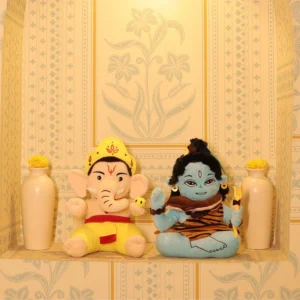
At Panda’s Box we noticed that little children connect best with things they can touch and hug. So we made soft plush versions of the most-loved characters from Indian stories, like Baby Ganesha, Baby Krishna, Baby Hanuman and Baby Rama, each with a sound box that plays their mantras when you press the tummy. A plush Hanuman on the bed makes it easy to ask, “Shall I tell you how he jumped all the way to Lanka?”
Once that curiosity is there, books keep it going. Reading mythology together is a lovely screen-free habit, and the stories naturally lead to talk about right and wrong.
Books to explore together
Here are some children’s books on Indian mythology that families have enjoyed. They are published in India, so availability outside India varies; check your local library, online bookshops or your nearest Indian bookstore.
For ages 3 to 5
1. My Little Book of Krishna
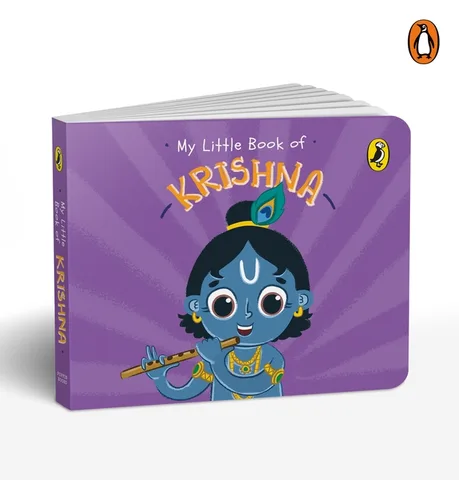
A board book from Penguin India, written by Ashwitha Jayakumar, with bright illustrations and short rhyming lines that are fun to recite and easy for little ones to remember. There is even a “find the hidden objects” page.
2. Pop Up Shiva (Om Books International)
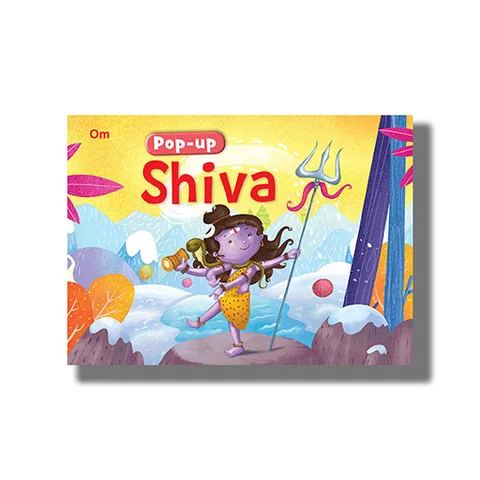
An interactive book with pop-up scenes from stories of Shiva. The text is detailed, so younger children will need you to read and explain, while older children can explore on their own.
3. Cutout board books: Krishna, Shiva, Hanuman, Ganesha (Om Books)
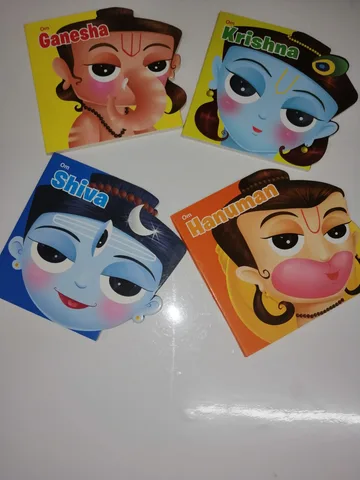
A set of illustrated, shaped board books introducing four much-loved deities, with a little hands-on fun built in.
4. The “Amma, Tell Me” series by Bhakti Mathur
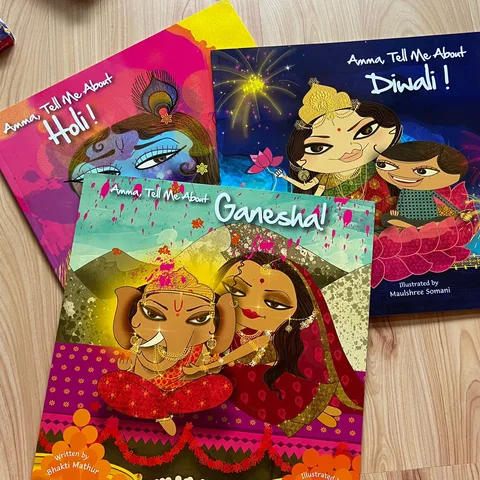
Gentle picture books written as a conversation between a mother and child, covering festivals such as Holi and Diwali and stories of Ganesha, Krishna and Hanuman. The simple explanations of traditions work well for families abroad too.
For ages 5 and up
5. The Scholastic Book of Hindu Gods and Goddesses by Deepa Agarwal
An easy-to-read introduction to Hindu deities and their deeds, good for independent readers and for reading aloud.
6. The Mahabharata: A Child’s View by Samhita Arni
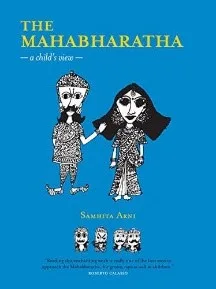
The great epic retold and illustrated by the author when she was a child herself, which makes it especially relatable for young readers.
7. The Gita and You by Sheila Dhir
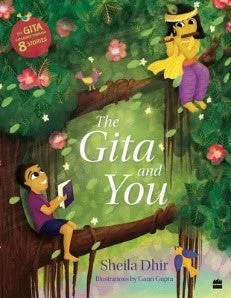
Eight short stories that carry the essence of Krishna’s conversation with Arjuna in a way children can relate to, with activities along the way.
8. Ramayana for Children (Om Books)
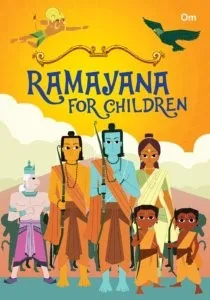
The story of Rama is full of adventure, and full of lessons about friendship, loyalty, love and family. A good first retelling to read together.
Keeping the stories alive at home
- Tell one story at bedtime and let your child act it out with their plush.
- Link stories to the calendar: Krishna at Janmashtami, Ganesha at Ganesh Chaturthi, Rama at Diwali.
- Ask grandparents to tell their version over a video call; every family has its own.
- Let children ask “why?” and wonder aloud together. There is rarely one right answer.
For more ideas, read teaching kids about Indian gods and heroes, or meet Grandma and Dadima, our storyteller plush who tell deity tales in English and Hindi.