Mantra Chanting with Young Children: A Calm, Shared Routine
11 December 2024
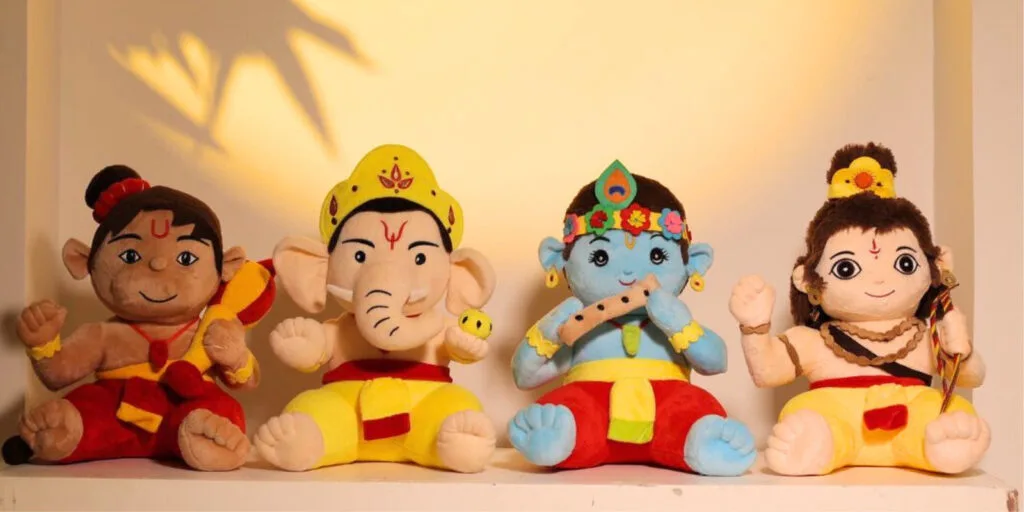
Mantra chanting has been part of Indian family life for centuries. In many homes it is simply there in the background: a grandmother’s morning prayer, the Hanuman Chalisa on a Tuesday, a shloka before exams. For parents raising young children far from those homes, sharing a few mantras is one of the simplest ways to pass that feeling on.
This isn’t about drilling or memorising. It’s about sound, rhythm and time together. Here is how mantra chanting can fit gently into life with a young child, and what parents often notice when it does.
1. A calm, predictable part of the day
Young children love routine. A short chant at the same time each day, before a nap, at bedtime or as the diya is lit, becomes a signal that it’s time to slow down. Many parents find that the same soft sounds, repeated day after day, become a familiar, soothing part of winding down.
Try this: choose one short mantra and make it part of your bedtime routine for a few weeks before adding another.
2. The joy of rhythm and repetition
Children delight in rhythm. It’s why nursery rhymes and clapping games work so well. Mantras are rhythmic and repetitive by nature, and many toddlers start to hum along or join in with a word or two long before they know what it means. That’s perfectly fine; familiarity comes first and meaning later.
Start small: “Om”, “Shri Ram” or “Om Namah Shivaya” are easy first chants for little voices.
3. A quiet moment of togetherness
Chanting with your child, whether sitting together in front of the home mandir or cuddled up at bedtime, is a few minutes of undivided attention. There’s no screen and no rush, just your voices together. Those small rituals often become some of the warmest memories of early childhood, for parents as well as children.
4. A connection to culture and family
Mantras carry stories with them. Chanting “Vakratunda Mahakaya” is a natural moment to tell the story of Baby Ganesha; a Hanuman mantra leads to the tale of his leap across the ocean. For families abroad, these sounds also connect children with grandparents, temples and festivals that might otherwise feel far away.
Try this: ask a grandparent to chant a family favourite on a video call, and let your child join in.
5. Slowing down and breathing together
Chanting naturally slows the breath. Long “Om” sounds are a playful way to practise taking a big breath in and letting it out slowly together. Treat it as a game rather than an exercise, and stop while it’s still fun.
6. Learning through play
Toddlers learn best when they can touch, press and repeat things on their own terms. A soft toy that plays a mantra when pressed lets them choose when to hear it again, and again, and again.
How Panda’s Box makes mantras part of play
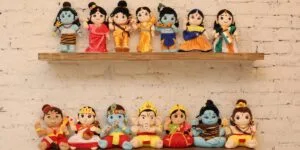
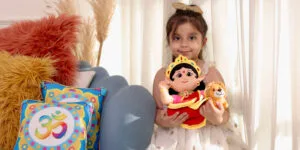
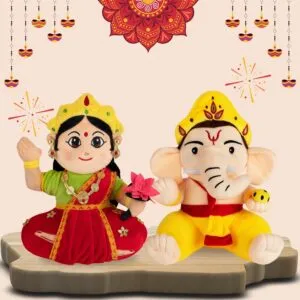
We made our mantra chanting plush toys for exactly these moments. Press the tummy of Baby Ganesha to hear “Vakratunda Mahakaya”, or Baby Hanuman for Hanuman mantras, at a gentle volume. The plush toys are designed for ages 1–5 and certified to ASTM and EN-71 toy-safety standards. For toddlers who like to choose their own chants, My First Book of Mantras has 25 mantras and the complete Hanuman Chalisa.
- They make mantras interactive and fun.
- They bring familiar sounds into everyday play, even far from home.
- They give you an easy starting point for a story or a short shared chant.
For more ideas, read 10 easy mantras every child can learn and how to introduce spirituality to kids.