The Universal Language of Mantras: How They Connect People Across Cultures
21 October 2023
What is a mantra?
Mantras are sacred sounds, words or phrases that hold deep spiritual meaning in many traditions, including Hinduism, Buddhism, Jainism and Sikhism. They are repeated, silently or aloud, as a form of meditation, prayer or devotion. For many families, a mantra is simply the sound of home: the prayer a grandmother hummed in the kitchen, or the chant that filled the house on festival mornings.
Mantras as a bridge across cultures
A shared human experience. At their heart, mantras speak to things everyone looks for: peace, strength, gratitude and a moment of stillness. That gives people from very different backgrounds common ground.
They travel well. As mantras have spread, they have taken on local flavor while keeping their essence. Tibetan Buddhists have their own mantras, just as Hindu families in India, the UK or Canada have theirs.
They are easy to find today. Books, recordings, community groups and even mantra chanting plush toys mean a family in Toronto or Melbourne can share the same chants as one in Pune.
Mantras in different traditions
Repeated sacred words are not limited to one culture or religion. You will find them across the world:
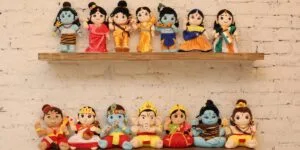
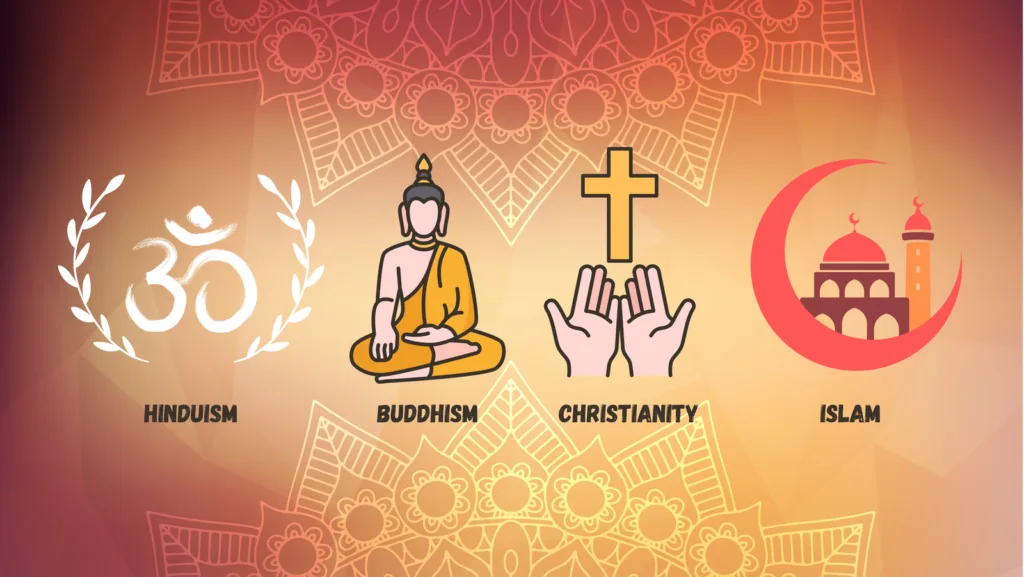
- Hinduism: Om, often called the universal sound, is one of the best-known mantras. It represents the ultimate reality and the connection between the individual and the divine. Children often first meet mantras through their family’s chosen deity, which is why we made plush friends like Baby Ganesha, Baby Rama, Baby Krishna, Devi Durga and Devi Lakshmi, each chanting its own mantras.
- Buddhism: Buddhists around the world recite “Om Mani Padme Hum” to invoke compassion and wisdom.
- Christianity: Repeated prayers such as “Kyrie Eleison” (Lord, have mercy) or the “Ave Maria” work in a similar way and are used for meditation and prayer.
- Islam: In Sufism, the practice of dhikr involves repeating the names or attributes of God.
Mantras for unity and harmony
The wide appeal of mantras lies in how they bring people together, whatever their background:
- Shared intentions: people of different faiths gather to chant or pray for peace.
- Respect for diversity: learning about another tradition’s sacred words builds respect for different beliefs.
- Cultural exchange: a child who knows their own family’s mantras can share them with friends at school, and learn theirs in return.
A universal language
Whether it is a soothing chant, a whispered prayer or a quiet moment of mindfulness, mantras act as a universal language that connects people through shared hopes. For families raising children abroad, they are also a gentle thread back to their roots. If you would like to bring that sound into your child’s day, take a look at our plush deities.