What Is a Naming Ceremony? Namkaran Rituals, Ideas and Gifts
1 February 2026
A naming ceremony is one of the first celebrations in a baby’s life. It is not only about choosing a name, but about welcoming the child into the family and community. In India this occasion carries deep cultural meaning, and Indian families around the world keep it alive, whether in a living room in London, a temple hall in New Jersey or on a video call that links three time zones.
What is a naming ceremony?
A naming ceremony is the occasion when a newborn is formally given a name. In Hindu tradition it is called the namkaran. It usually takes place a few days or weeks after birth, depending on family custom and belief.
Close family and friends gather for prayers and rituals, and often a small celebration afterwards. The purpose is to introduce the baby’s name and to bless the child’s future. Some families keep it simple at home; others plan a fuller event with decorations and a meal. Either way, the essence is the same: giving the child a meaningful identity.
Why the naming ceremony matters
In Indian culture a name is more than a label. Many families feel it carries meaning and hope for the child’s life ahead. Names are often chosen from religious texts, family tradition or the baby’s birth chart, and some parents ask a priest to suggest the first letter.
The ceremony is also an emotional milestone. It is often the first time the wider family meets the baby and celebrates together. It:
- formally introduces the child to family and community
- brings everyone together for blessings
- connects the child to cultural and religious roots
- creates lifelong memories for the parents
Traditional naming rituals
Naming customs vary across faiths and regions, but the heart of each is the same: blessing the child and giving a name with a good meaning.
Hindu namkaran sanskar
The namkaran is one of the sixteen samskaras, or rites of passage, in Hindu tradition. It is traditionally performed around the 11th or 12th day after birth, although timing varies. It often includes:
- a priest performing a puja and chanting mantras
- the baby resting in the lap of a parent or elder
- the chosen name whispered into the baby’s ear
- family members offering blessings and gifts
Some families also write the name in a plate of rice or announce it aloud during the ritual.
Sikh naming tradition
In Sikh families the naming takes place at the gurdwara. A passage is read from the Guru Granth Sahib, and the first letter of that hukamnama guides the choice of the baby’s name. The ceremony is simple, spiritual and centred on the sangat’s blessings.
Christian baptism
For Christian families, naming is usually part of baptism. The child is blessed with holy water, named during the church service and welcomed into the faith. Godparents are often chosen to guide the child spiritually.
Holding a naming ceremony abroad
Families outside India often adapt the ceremony to their circumstances, and that is perfectly fine. A few things that help:
- Find a priest early. Local temples, gurdwaras and community associations can often recommend someone, and many priests now conduct ceremonies at home or online.
- Bring grandparents in by video. If grandparents can’t travel, ask them to bless the baby or whisper the name over a video call. It can be the most moving part of the day.
- Pick a weekend. If the 11th or 12th day falls midweek, many families hold the ritual on the day and a small gathering on the weekend.
- Keep the essentials. A diya, a few flowers, a plate of rice for writing the name and a family prayer are enough to make it feel complete.
- Explain it to friends. A short note in the invitation about what will happen helps non-Indian friends feel included.
Modern naming ceremony ideas
- A theme: soft pastels, florals or traditional textiles.
- Garden or backyard ceremony: warm and intimate in good weather.
- A name reveal: unveil the name on a board, a banner or the cake.
- Personal touches: initials, a photo display of the baby’s first weeks.
- Digital invites and live streaming for relatives who can’t attend.
- Low-waste choices: reusable decorations and sustainable gifts.
Modern ideas don’t replace tradition; they add to it.
Gift ideas for a naming ceremony
- Personalised gifts: a name frame, a blanket with initials or an engraved keepsake.
- Clothing: soft, comfortable outfits in the next size up.
- Baby care essentials: gentle, practical everyday items.
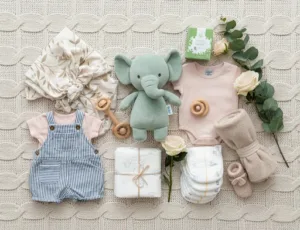
- Toys: soft, age-appropriate toys and rattles.
- Gold or silver: coins, anklets or spoons are a traditional choice in many families.
- Memory keepsakes: a baby journal or milestone cards.
Focus on usefulness, safety and meaning rather than price.
Return gifts for guests
- small boxes of dried fruit or sweets with a custom label
- a little hamper with a candle, a treat or a mini plant
- personalised keepsakes such as magnets or photo frames with the baby’s name
- seed kits or saplings
- small spiritual items, depending on family beliefs
For more ideas, see our guide to return gifts kids actually love.
How to plan a naming ceremony
- Fix the date by family tradition or convenience.
- Choose the format: at home, at the temple or gurdwara, or at a venue.
- Write the guest list, intimate or large.
- Arrange the rituals and book a priest if needed.
- Plan simple decor.
- Send invitations; digital invites are quick.
- Arrange food to suit the size of the gathering.
- Plan photos, or ask a relative who loves taking them.
- Get gifts and return gifts ready in advance.
Tips to make the day special
- Keep it comfortable for the baby: a quiet corner, feeds on time, short rituals.
- Focus on meaningful rituals rather than elaborate arrangements.
- Add personal touches like handwritten notes or a memory board for guests’ wishes.
- Choose soft lighting and calm decor.
- Capture candid moments, not just posed photos.
- Involve close family in the rituals, including those joining from afar.
Cultural gifts from Panda’s Box
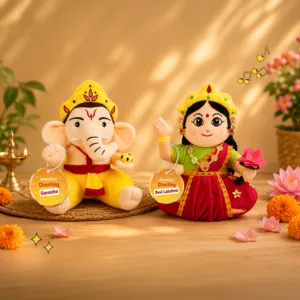
If you would like a gift that carries a little of the ceremony’s meaning, our mantra chanting plush toys play gentle prayers when you press the tummy. A small Baby Ganesha is a popular choice, since Ganesha is invoked at the start of every new beginning. Our plush are designed for ages 1–5, so for a newborn they are a keepsake to grow into: enjoy them together, supervised, and keep soft toys out of the sleep space.
We also have divine accessories such as plush malas and rattles, and gift wrap at checkout. Orders ship from India within 24 hours.
Frequently asked questions
When is a naming ceremony usually held?
Many Hindu families hold it on the 11th or 12th day after birth, but the date often depends on family tradition or the advice of a priest. Families abroad often choose the nearest weekend.
What is namkaran sanskar?
It is the Hindu rite in which a newborn is given a name through prayers and rituals, often led by a priest.
What makes a good naming ceremony gift?
Useful, meaningful gifts: soft clothing, personalised keepsakes, silver, or a cultural toy the child can grow into.
Can we hold a naming ceremony if we live far from family?
Yes. A small home ceremony with a local priest or an online one, with grandparents joining by video, keeps the tradition alive wherever you are.